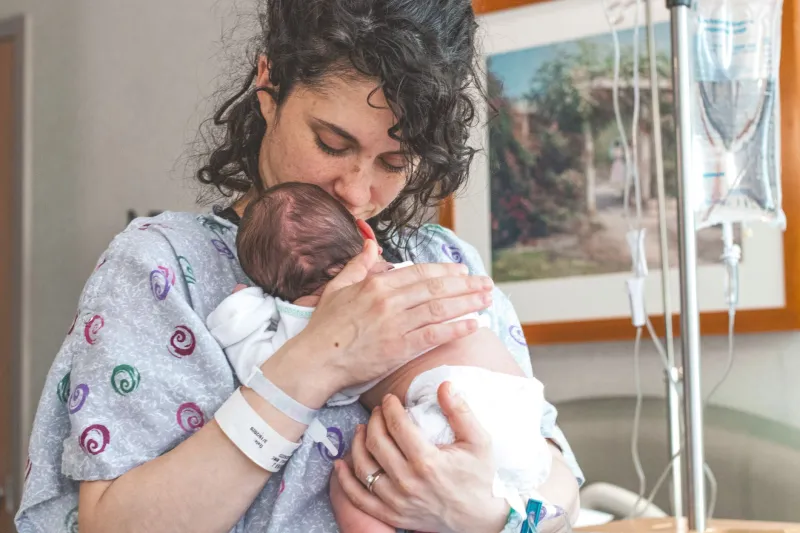
The Curtain Between Us: Finding Fellow Travelers in the NICU
There is a particular kind of friendship that begins in a hospital hallway at 2 a.m. It rarely starts with names. It starts with a nod over a lukewarm cup of coffee, a shared glance when the monitor alarms ring, or the soft rustle of a curtain being pulled just enough to give someone privacy. In the NICU, the family in the next bay can become an unexpected lifeline, even if you never learn their full story.
Parents of preemies often describe the NICU as a world with its own weather. Some days are steady; others bring squalls of test results, consultations, and waiting. In that weather, the people beside you understand things that even your closest friends outside the hospital cannot quite grasp. They know why you celebrate a ounce gained. They know why you flinch at a ringing phone. They know the strange guilt of leaving at shift change and the strange ache of coming back before sunrise.
The language of the next bay
NICU neighbors often communicate in small, careful gestures. One parent holds the elevator door while you juggle a breast pump bag and a cold breakfast. Another slides a box of tissues across the family lounge table without saying a word. Someone remembers that you like the good chair by the window and waves you toward it when it opens up.
These moments are not minor. They are the everyday vocabulary of peer support. You may not exchange phone numbers or diagnoses. You may only know each other as the family with the tiny blue hat or the parents who always arrive together after work. Still, that recognition can soften an isolating season.
Many NICU parents say the most comforting sentence they heard was not a medical explanation. It was something like, We are in the same hallway, or You are not the only one who cried in the parking garage today. Those words do not fix anything. They simply remind a parent that they are not alone.
Boundaries are part of the bond
A NICU is a shared space, but it is also a private one. Every family is navigating their own medical reality, their own family dynamics, and their own capacity for conversation. Respectful connection means reading the room, literally and emotionally.
Ask before sharing. A simple question like Would you like company or quiet? gives the other parent an easy out. Skip the medical questions. You do not need to know a baby's gestational age, diagnosis, or discharge timeline to offer kindness. In the United States, privacy rules like HIPAA protect health information, but the deeper rule is simpler: another family's story is theirs to tell.
Avoid comparing journeys. Even two preemies born at the same weight can have very different paths. Comments like At least your baby is bigger or I know exactly how you feel can land sideways, even when they come from a good place. Try instead: I am glad you are here today. Or: I am rooting for your little one.
And give silence a seat. Sometimes the most supportive thing you can do is sit nearby without filling the air. NICU parents are often exhausted by explanations. A quiet presence can feel like a break, not a demand.
What hospitals can do without making it a program
Peer support does not always need a formal curriculum. Sometimes it needs a room, a table, and permission. NICU teams can nurture neighborly connections by keeping family lounges welcoming, posting clear privacy guidelines, and making sure there are spaces where parents can step away without feeling like they are abandoning the bedside.
A coffee cart in the family lounge, a shelf of donated journals, or a simple sign inviting parents to take what they need and leave what they can all create low-pressure opportunities to connect. Some hospitals host parent-led chat groups or monthly gatherings, but the best ones leave room for parents to opt in without feeling recruited.
Staff can also help by normalizing the awkwardness. A nurse who says, It is okay if you do not want to talk to anyone today, gives parents permission to protect their energy. A social worker who introduces two families only after checking with both respects the delicate nature of NICU relationships.
When the hallway friendship follows you home
Some NICU neighbors become lifelong friends. Others remain people you remember fondly but never see again. Both outcomes are meaningful. The connection does not have to last forever to matter.
If you do exchange contact information, keep the first steps small. A text that says Thinking of you today is enough. A shared photo of a baby's first stroller walk can be a gift. Avoid turning the friendship into a medical advice swap. You are fellow travelers, not clinicians.
After discharge, some parents find that their NICU friendships become a gentle bridge to their new normal. They meet at a park with babies in tow. They text through the first scary cold. They cheer for one another's milestones without needing to explain why a small gain feels enormous.
A small permission slip
If you are in the NICU right now and the family next door feels like a stranger, you do not have to become best friends. You can simply offer a nod. You can accept a tissue. You can say good morning without asking for a story. Those tiny acts of recognition are enough.
And if you are the parent who has been there a while, your calm presence may be exactly what someone new needs. Not advice. Not a comparison. Just the quiet proof that people do survive this hallway, one day at a time.
Parents of Preemies Day exists to honor every tiny fighter and the parents who never leave their side. That honor extends to the neighbors in the next bay, the ones who hold the elevator, share the tissues, and remind us that even in the most clinical of spaces, we can still find each other.