Loving Your Preemie From the Lobby: A Family Guide to NICU Boundaries
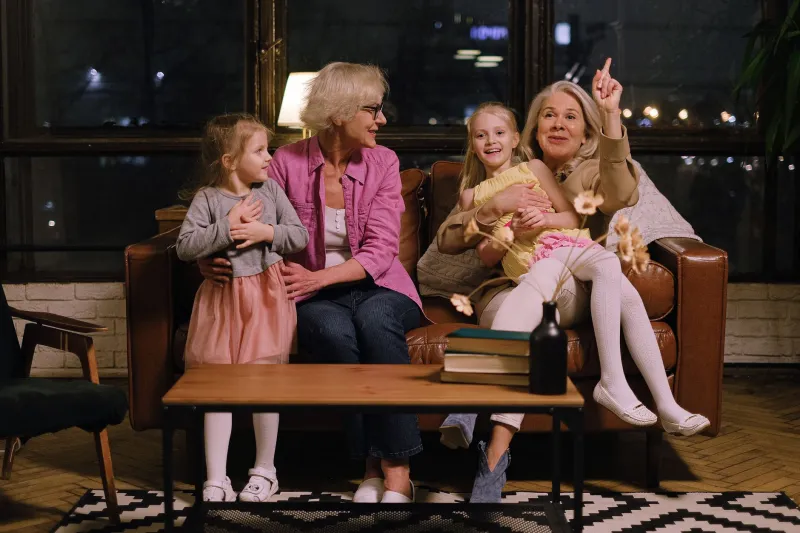
The NICU waiting room can be a strange place. On one side, there’s a family full of love, ready to help. On the other, there’s a tiny baby behind locked doors with a care team that has very specific rules about who can come in, when, and wearing what. Somewhere in the middle stands a parent who is exhausted, scared, and suddenly responsible for explaining infection control to Grandma.
At Parents of Preemies Day, we hear from families all the time about this exact tension. Extended family wants to be close. Parents want to protect their baby. And nobody is trying to make anyone feel bad. The problem is that NICU rules often sound like rejection when they’re really about safety.
The Love Is Real. So Is the Sign-In Sheet.
Grandparents, aunts, uncles, cousins, and family friends usually mean well. They’ve been waiting for this baby too. They may have imagined holding the newborn in the hospital hallway, passing around photos, or showing up with a balloon. Instead, they’re staring at a visitor policy, a hand-sanitizing station, and a nurse who says, “Only two visitors at a time.”
It can feel personal. It isn’t.
A preemie’s immune system is still catching up. Even a mild cold can be serious. That’s why NICUs limit visitors, require clean hands, ask people to stay home when they’re sick, and sometimes restrict siblings or outside family altogether. The rules aren’t a comment on anyone’s character. They’re a shield for a baby who needs one.
Still, knowing that in your head and explaining it to a hurt grandparent are two different things.
Start With the Baby, Not the Rule
When you talk to relatives, lead with the reason behind the boundary. People hear “no” more clearly when they understand the “why.”
Try something like: “We want you to meet the baby so badly. Right now, the NICU is limiting visitors because even a small germ could make her sick. We’re following their lead so she can get stronger.”
Or: “We’re not keeping you away. We’re keeping the baby safe. As soon as the team says it’s okay, you’ll be the first to know.”
This keeps the focus on the baby’s health rather than on who is allowed in and who isn’t. It also gives relatives a role: they’re not being excluded. They’re helping.
Scripts for the Hard Conversations
Some relatives will accept the rules easily. Others will ask why they can’t come, why they can’t post a photo, or why you seem so protective. Having a few calm phrases ready can save you from a messy argument in a hospital parking lot.
- When someone asks to visit and the NICU says no: “I wish it were different. The hospital is being strict while the baby is small, and we’re not making the rules. I’ll send you a video today so you can see that sweet face.”
- When a relative wants to share photos on Facebook: “We’re keeping photos offline for now while we’re in the NICU. It’s a privacy thing, and we want to be the ones to share updates. I can text you a picture just for you.”
- When someone says, ‘You’re being overprotective’: “Maybe. But the doctors have seen what happens when preemies get sick, and we’re following their advice. We’d rather be careful than sorry.”
- When a grandparent feels left out: “You’re not on the sidelines. We need you. Can you help with meals, laundry, or checking in on our dog? That takes something off our plate so we can focus on the baby.”
Notice that none of these scripts apologize for the boundary. They explain it, then offer a way for the relative to stay connected.
Include Family From a Distance
The waiting room isn’t the only place to love a baby. Extended family can be involved without stepping foot in the NICU. A few ideas:
- A daily or weekly photo text. Pick one reliable person to be the family update hub so you’re not answering ten separate messages.
- Short video clips. A ten-second clip of a tiny hand or a sleeping baby can mean the world to relatives who can’t visit.
- A private family group. Share updates, celebrate milestones, and set clear photo rules in one place.
- Practical help. Ask relatives to drop off food, run errands, or help with siblings. This is real support, not busywork.
- Letters for later. Invite relatives to write a note or record a video message for the baby to read when they’re older.
These gestures remind everyone that the baby is loved by a whole village, even if the village is currently in the parking lot.
Photo Boundaries Without the Guilt
Many NICU parents are surprised by how quickly a private photo becomes a family group chat sensation. It’s okay to draw a line. You don’t need a long explanation.
Try: “We’re not sharing photos publicly yet. When we are, we’ll let you know. For now, please keep anything I send to yourself.”
If someone pushes back, you can repeat it once, calmly: “I know you’re excited. We’re just not ready for that.” Then change the subject. You are allowed to protect your baby’s privacy without turning it into a debate.
When a Relative Won’t Let It Go
Some family members may take the rules personally no matter how gently you explain them. That’s hard, especially when you’re already running on no sleep. You don’t have to win the argument. You just have to keep the boundary.
You can say, “I love you, and I know this is disappointing. The answer is still no for now.” Then let it be. You are not responsible for managing every relative’s feelings while your baby is in the NICU.
And if you need to, ask your partner, a friend, or a hospital social worker to help relay the message. You don’t have to be the family spokesperson 24/7.
A Note for the Relatives Reading This
If you’re a grandparent or extended family member, please know this: your love matters. Your willingness to show up matters. But the parents are not being dramatic. They’re learning how to care for a baby whose start was harder than most. When they say no to a visit or a photo, they’re not saying no to you. They’re saying yes to one more day of healing.
Ask how you can help instead of how you can hold the baby. Send a text that says, “No need to reply. Just thinking of you.” Drop off a meal and leave without expecting a tour. Those quiet acts of love can carry a NICU family further than any waiting room chair ever could.
Later, when the baby is home and the rules relax, there will be time for holding, rocking, and passing around that little fighter. Until then, love from the lobby still counts.