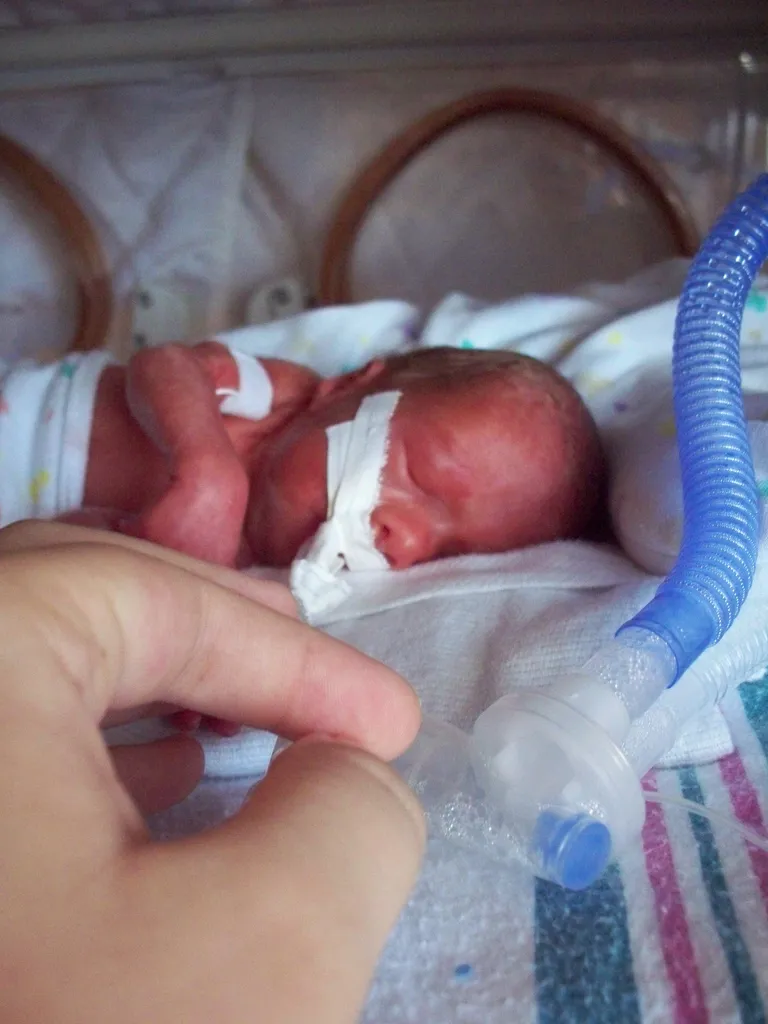
Before That First Drive Home: A Reassuring Guide to the Preemie Car Seat Test
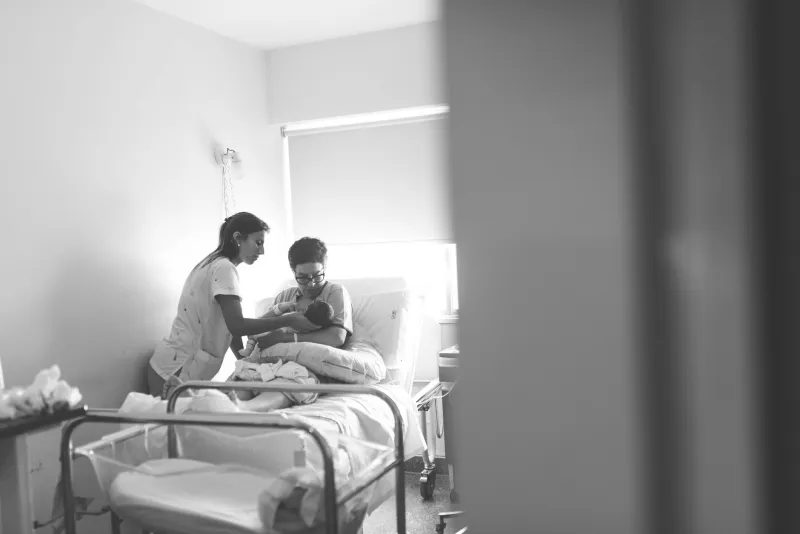
Nobody hands you a manual for the NICU. You learn the language of bradys and desats, you memorize the hand-washing ritual, and you figure out how to change a diaper through portholes. Then, just when discharge finally feels close, someone mentions the car seat test — and suddenly there is one more box to check before your baby can ride home.
Here is the good news: it is usually one of the most straightforward parts of the whole journey. Here is the honest part: it can also be one of the most emotional.
So, What Is the Car Seat Test?
Also called the car seat challenge, it is a monitored trial run. Your baby sits in their own car seat — the exact one going home with you — for about 90 minutes, or for the length of your drive home if that is longer. A nurse watches heart rate, breathing, and oxygen saturation the whole time. If your baby stays steady, they pass. If their heart rate drops, breathing pauses, or oxygen levels dip, the team talks through next steps.
Most hospitals do this for babies born before 37 weeks, and the American Academy of Pediatrics recommends it before discharge for preterm infants. The test usually happens close to go-home day, sometimes in your baby's room and sometimes in a monitored area. Some units call it the car seat challenge; others call it the car seat trial. Same idea, same goal.
Why Tiny Babies Get This Extra Hurdle
Premature babies often have lower muscle tone and smaller airways. Slumped into a car seat at the wrong angle, a newborn can scrunch their chin toward their chest and make it harder to breathe. The test is not a driving test for parents. It is a check that your baby can handle the semi-upright position safely — and that the seat you chose actually fits them.
It is also a chance for your care team to catch something before you are alone in a parking garage at 7 p.m. That is worth the wait.
How to Prepare Without Spiraling
You do not need to study for this. You just need the right gear and a few minutes with your nurse.
- Bring your car seat to the hospital early. A day or two before discharge is ideal. Many units will check the label, confirm it is not expired or recalled, and make sure the harness adjusts small enough for your baby.
- Install the base before you leave home. Practice clicking the seat in and out in your own car. If you are unsure, ask whether your hospital has a certified child passenger safety technician on staff — many do.
- Skip bulky coats and thick bundlers. Dress your baby in a normal layer. A bulky coat creates slack in the harness, and the test should reflect real-life conditions.
- Ask for a harness walk-through. The chest clip goes at armpit level. The harness should be snug enough that you cannot pinch a fold at the shoulder. Your nurse will show you, and you will feel more confident doing it yourself.
- Know your seat's insert rules. Use only the inserts that came with the seat. Aftermarket head supports and rolled blankets are not recommended inside the harness.
If Your Baby Doesn't Pass
First, breathe. A failed test is not a failed parent. It means your baby's body needs something different right now, and you found out in the safest possible place.
Some babies pass on a second try after a position adjustment or a little more time to grow. Others need a car bed, which lets a baby lie flat during the ride. Your NICU team will not send you home with a plan that is not safe — even if that plan is not the one you pictured.
Ask questions. Ask what specifically happened, what the team recommends, and what it means for discharge timing. Write it down if you need to. You are not being difficult; you are being a parent.
Choosing a Seat for a Small Fighter
If you have not bought a seat yet, here is what to look for:
- A low minimum weight. Many infant seats start at 4 or 5 pounds. Check the label, not the marketing copy.
- A preemie insert that is approved for your seat. These are designed to support a small baby without adding unsafe padding.
- A five-point harness with a chest clip. This is standard on infant seats, but confirm.
- No aftermarket add-ons. The seat's manual is the final word.
- A good fit in your car. Rear-facing in the back seat, per federal safety guidance and state law. Check your state's rules, since they vary.
A convertible seat can work, but for a tiny baby, an infant seat with a preemie insert is often the easier fit. If you are unsure, ask a child passenger safety technician — they will check the install and the fit for free at many fire stations and hospitals.
The First Ride Home
- Bring a second adult if you can. One drives; one sits in back with the baby.
- Keep the trip short. If your drive home is longer than 90 minutes, plan a break to take your baby out of the seat and let them stretch and breathe freely.
- Dress for the weather, not the car. A blanket over the harness is safer than a puffy suit underneath it.
- Have your follow-up numbers handy. Pediatrician, NICU, and the on-call line.
- Skip the dangling toys for now. They can wait until you are home and settled.
A Small Ceremony Worth Marking
The car seat test is a rite of passage, odd as it sounds. It means your baby is well enough to practice the most ordinary thing in the world: riding home. Take a photo if you want to. Cry in the hallway if you need to. Both are allowed.
At Parents of Preemies Day, we honor every tiny fighter and every parent who sat beside a isolette, learned the monitor alarms, and kept showing up. The car seat test is just one more mile marker on a road you never expected to travel. Buckle up, little fighter. You are almost home.